Matching Perennials, Shrubs, and Trees to Kansas Hardiness Zones
Matching perennials, shrubs, and trees to Kansas hardiness zones starts with the map, then accounts for wind, soil, drainage, and exposure.
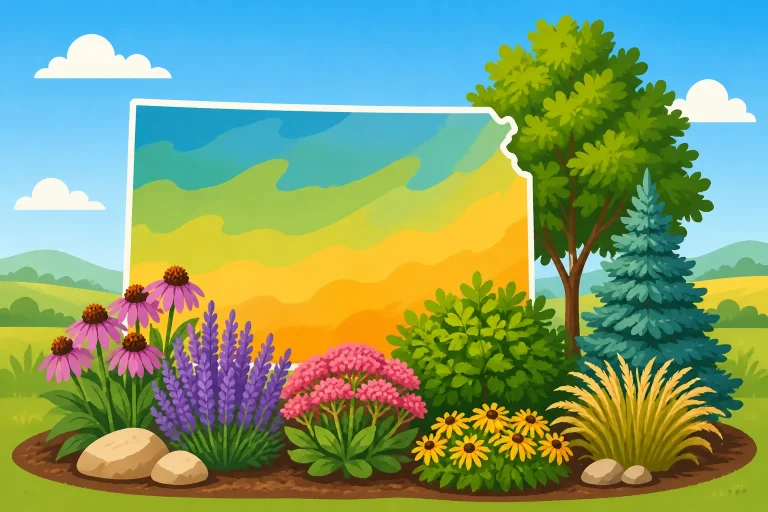
Matching perennials, shrubs, and trees to Kansas hardiness zones starts with the map, then accounts for wind, soil, drainage, and exposure.
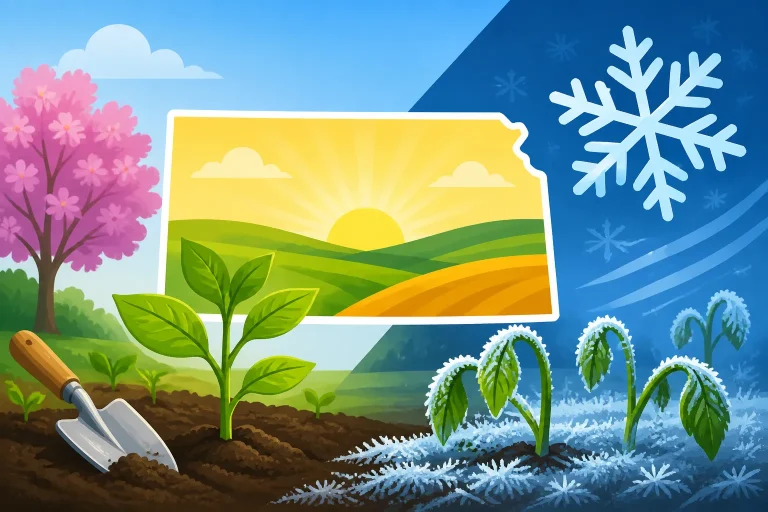
Kansas spring planting depends on local frost odds, crop tolerance, soil warmth, and forecast checks—not one statewide date or a cover alone.
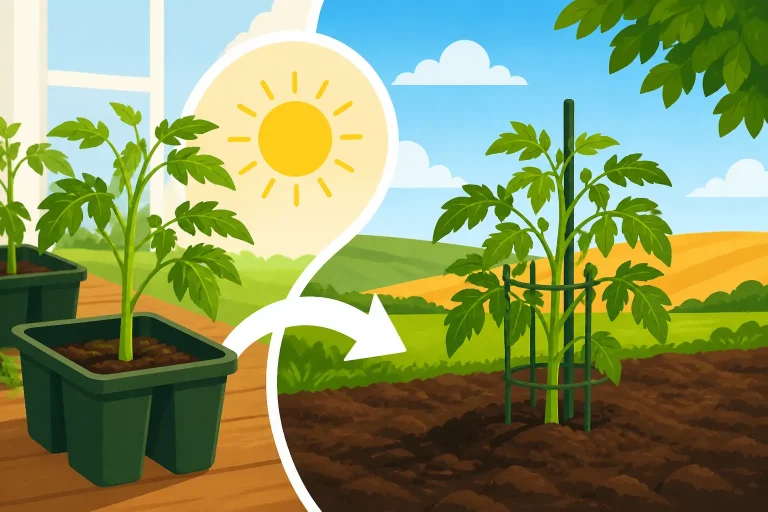
When to move tomato transplants outdoors in Kansas depends on frost risk, warm soil, healthy seedlings, and gradual hardening—not a fixed calendar date.
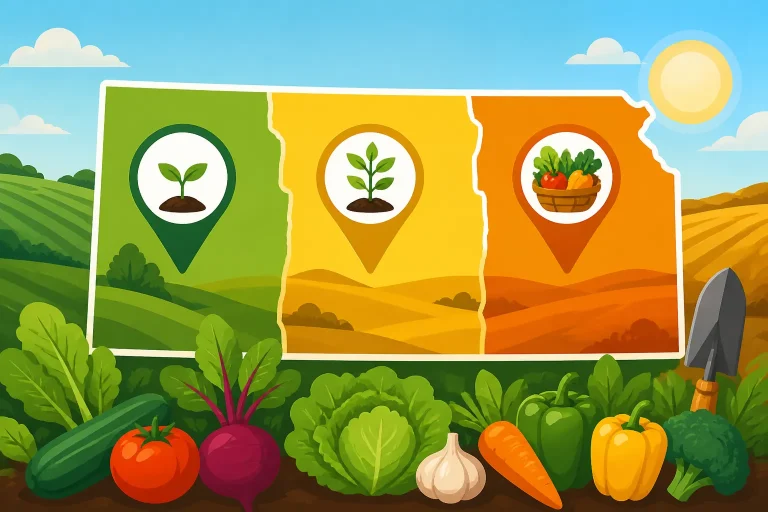
Kansas vegetable planting and harvest dates shift by region; use local frost odds, soil conditions, crop needs, and maturity time to adjust your calendar.
Kansas frost dates vary by region, station, and microclimate; use local probabilities and crop-specific buffers instead of one statewide date.